


The RSPB, the National Wildlife Crime Unit and what Defra is about to be told
Defra's Call for Evidence on gamebird rearing, release and shooting opened on 4 September and closes on 1 November. We have previously noted why it is not the neutral exercise it is dressed up as. This is about something narrower: the evidence Defra will receive on bird of prey crime, and the state of the unit producing it.
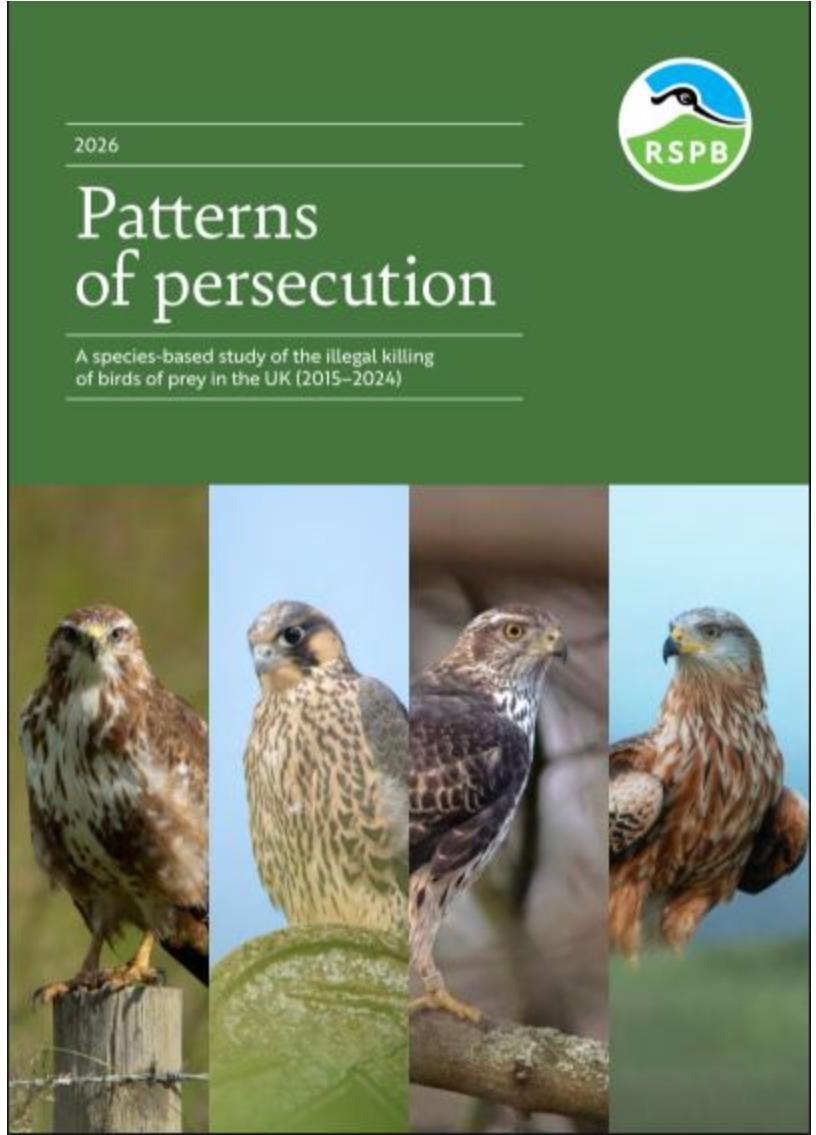
As things stand, the RSPB fits the satellite tags. With Natural England, it has tagged hen harrier chicks for well over a decade. When a tag stops transmitting, the RSPB holds the data. It maintains the incident database, publishes Birdcrime and Patterns of Persecution, and its Investigations team - led by Mark Thomas - decides what counts as a suspicious disappearance. It also uses the word hotspot, publicly and freely, to designate particular moors.
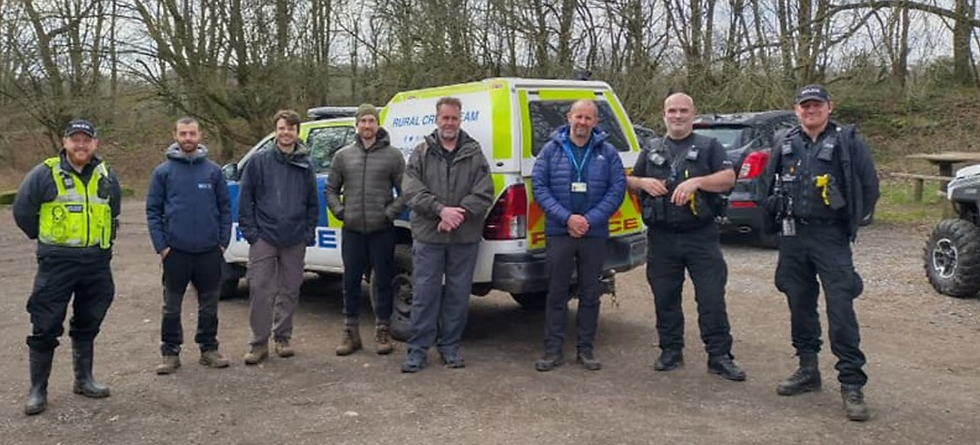
That material goes to the National Wildlife Crime Unit and its hen harrier taskforce, where it informs the unit's own hotspot designations. Those may inform the quarterly updates the NWCU provides to Defra, and the police have confirmed taskforce work could form part of a future police response should Defra consult on gamebird shooting.
The RSPB has campaigned for the licensing of driven grouse shooting since 2020 and has said openly that without licensing it will campaign for a ban. But if one supplies the tags, the data, the database, the interpretation and the terminology, and a police unit then relays conclusions built on that foundation, has Defra received two independent sources, or one source travelling under two names?
There is no published definition of a hotspot. No published evidential threshold. No published account of how many incidents qualify an area, over what period or within what radius. No published rule for attributing a lost tag to an estate, including where the bird was last recorded many kilometres away. No published account of how contrary evidence is weighed.

A label is being attached to named places, and by implication to the people who work them. It carries reputational consequences and may inform government policy, yet the rule by which it is applied has never been written down anywhere the affected estates can read it. In any other area of policing, an intelligence product unable to explain its own threshold would not survive first contact with a defence solicitor.
The Moorland Association has recently published two years of correspondence with the National Police Chiefs' Council. It makes uncomfortable reading, and not because of anything the Association says. It is the police account that keeps failing to match the documents.
The police letter of 3 September said correspondence sent in December 2025 went unanswered until May 2026. The record shows the police wrote on 2 December and the Association replied on 3 December. The next day. That is not interpretation. It is a date.
The same letter said the Association had failed to respond to an agreed action on the 4P plan. The Association says no such action was agreed, and has asked for the minute supporting the claim. None appears to have been produced.
In June, a serving sergeant recorded his understanding that the meeting was to work through the issues raised on both sides. Three months later the police position was that those concerns had largely been dealt with a year earlier. Both cannot be true, and both came from the same organisation.
And before the meeting could happen at all, the Association was told the NWCU required the removal of a published blog and an acceptance that it was fundamentally incorrect. Concede the disputed point as the price of attending the meeting convened to resolve the dispute.
A unit whose account of its own correspondence is contradicted by that correspondence, which asserts agreements it cannot evidence, and which makes abandoning a critic's published position a condition of talking to them, should not be supplying untested material to a department weighing the future of an industry.
Raptor Persecution UK noted in January that the RSPB's own reporting records repeat incidents in particular areas, while the officer leading the national hen harrier taskforce has said more than once that there has not been a single repeat incident in any of the taskforce's hotspots since 2024. That blog called the discrepancy something demanding more scrutiny.
We agree with them, which does not happen often. Either the hotspots are seeing repeat incidents or they are not. When the people campaigning hardest for licensing cannot reconcile the taskforce's public statements with the data, Defra should be wary of treating any of it as settled fact.
None of this is an argument for less enforcement but instead an expectation that good policing depends on evidence that survives being checked.
Ahead of the consultation deadline Defra should ask every contributor to state where their evidence comes from, how it was produced and what its limitations are.
Any submission on bird of prey crime should state what proportion of its data was generated, held or interpreted by a body with a declared position on licensing. Defra cannot weigh corroboration without knowing whether it is looking at two sources or one.


