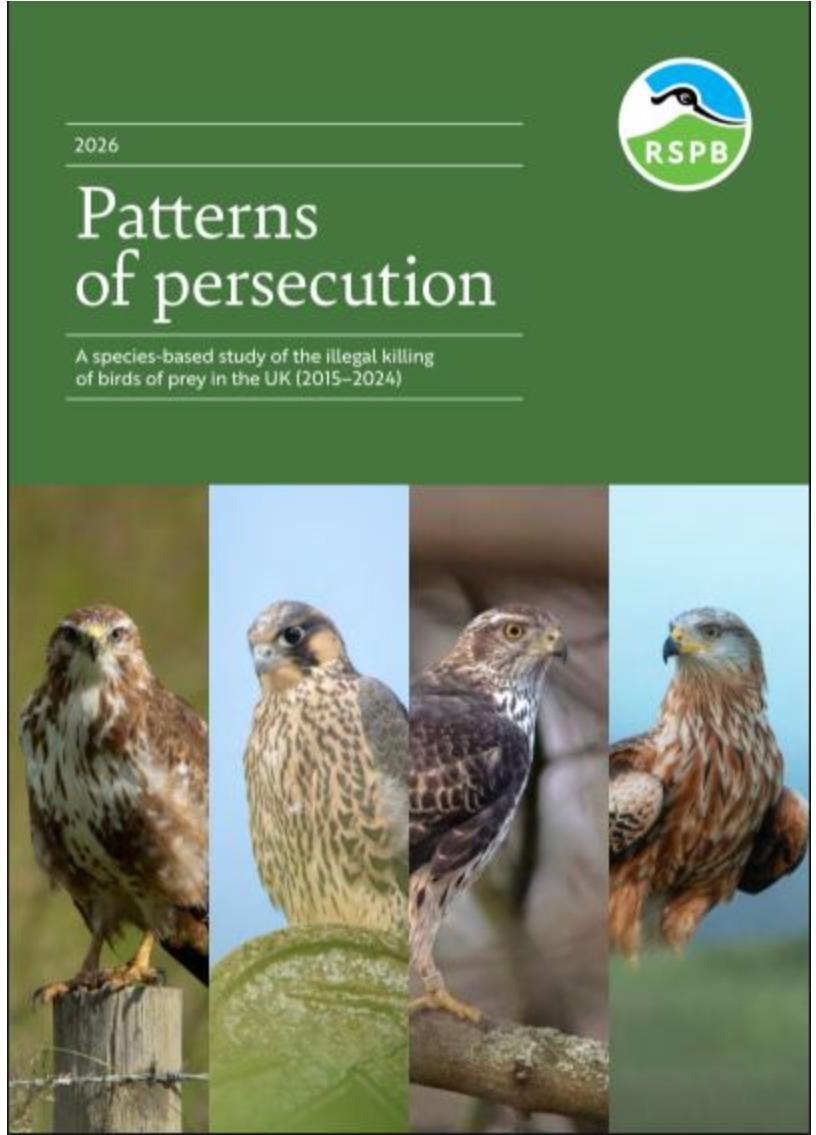
RSPB's Campaign of Innuendo: How Conservation Charity Harms Rural Livelihoods on Flimsy Evidence

The RSPB's latest allegations regarding hen harriers at North Pennines represent more than poor investigative standards—they represent a systematic campaign of character assassination against gamekeepers and rural communities, built on satellite tag failures and presented as established fact to a credulous media.
When the RSPB's Mark Thomas declares six tag failures "extremely concerning" and part of "a long trend," he's not presenting evidence to a court. He's issuing a press release that journalists dutifully transcribe, and gamekeepers' reputations are destroyed before breakfast.
Six tags stopped transmitting. That's the fact. Everything else—the "suspicious circumstances," the alleged proximity to grouse moors, the dark insinuations of systematic criminality—is speculation dressed up as conservation science.
The RSPB knows satellite tags malfunction. They admit it in their own literature. Battery failures, hardware malfunctions, predation, natural mortality—all can cause transmission cessation. Yet when a tag fails near a grouse moor, suddenly it's "suspected persecution" worthy of national media coverage and calls for industry-wide licensing.
This is not conservation. This is activism masquerading as science.
The Cumberland & Westmorland Herald has published an article with real consequences for real people while omitting facts that fundamentally undermine the RSPB's narrative.
Omitted: Hen harrier populations are at their highest level in a century. Not declining. Growing. At record levels.
Omitted: 80% of hen harrier nests are on grouse moors, despite these moors representing only 50% of suitable habitat. Grouse moors aren't where hen harriers die—they're where hen harriers thrive.
Omitted: The RSPB opposes brood management schemes that have successfully balanced hen harrier conservation with moorland management, suggesting their true target is grouse shooting itself, not hen harrier protection.
These aren't minor details. They're fundamental facts that completely reframe the story. Their absence is journalistic malpractice that serves the RSPB's agenda while gamekeepers and their families pay the price.
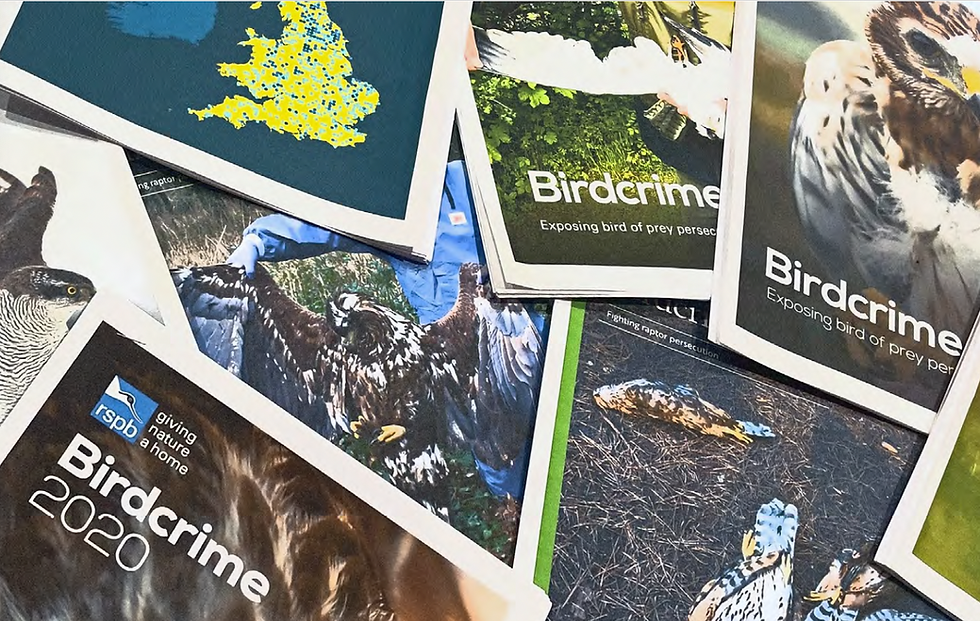
Let's discuss what happens when the RSPB issues these press releases and newspapers print them uncritically. Gamekeepers—people who've dedicated their lives to moorland management, who live in isolated rural communities, who work brutal conditions for modest wages—wake up to see themselves implicitly accused of wildlife crime. Not charged. Not investigated with rigour. Just smeared by association with "suspicious" tag failures.
Their children face questions at school. Their families shop in local villages under the shadow of accusation. They're portrayed as criminals on the basis of satellite technology that everyone acknowledges is imperfect, operating in an industry where 80% of the birds they're accused of killing actually nest successfully.
James Robinson's call for "robust licensing" where "shooting estates where crimes are being committed" lose their licenses creates an impossible standard: prove you didn't commit crimes we can't prove occurred. Accept economic devastation based on our interpretation of satellite data.
This is the RSPB's vision for rural Britain: gamekeepers as guilty until proven innocent, estates shut down on suspicion, communities destroyed to satisfy the prejudices of an organisation that raises over £150 million annually by positioning itself as morally superior to the people who actually manage the land where hen harriers successfully breed.
If grouse moors are sites of systematic hen harrier persecution, why do 80% of hen harriers choose to nest there? Hen harriers are predators. They go where prey is abundant. Grouse moors—actively managed for game bird production—provide the prey-rich environment hen harriers need.
The RSPB's Geltsdale reserve, by contrast, has seen multiple tag failures and is now being presented as a victim of persecution by neighboring estates. Perhaps the RSPB should examine whether their own reserve management creates conditions that disperse birds into areas where tags then fail for mundane reasons. Perhaps they should acknowledge that working moorland—managed for grouse—provides superior habitat to their reserves. Perhaps they should celebrate that the industry they're trying to destroy is where hen harriers actually flourish.
But that would require honesty. That would require admitting that their £150 million-per-year organisation is being outperformed by gamekeepers they've spent years demonizing.
Robinson's call for licensing isn't about hen harrier conservation—it's about control. It's about giving the RSPB the power to shut down estates based on satellite tag failures interpreted as "suspicious" and reported breathlessly by uncritical journalists.
Under this system, any tag cessation becomes grounds for investigation. Any investigation becomes grounds for restriction. The burden of proof shifts entirely onto estates to demonstrate innocence against unfalsifiable accusations. This is the RSPB's vision: an end to grouse shooting achieved not through democratic process or honest debate, but through administrative harassment backed by technological innuendo.
Hen harriers are at a century high. They breed predominantly on grouse moors. These facts should be cause for celebration—a conservation success story showing that working moorland and raptor populations can coexist.
Instead, the RSPB presents record populations as somehow consistent with systematic persecution, ignores breeding success on grouse moors, and demands licensing that would devastate rural communities. This isn't conservation. This is ideological warfare against an industry the RSPB opposes on principle, dressed up in the language of wildlife protection and sold to journalists who don't seem to ask basic questions.
The RSPB operates with near-total impunity. It issues press releases based on tag failures. Newspapers print them uncritically. Gamekeepers' reputations are destroyed. Families suffer. Communities live under suspicion.
Where is the accountability? Where is the demand for actual evidence before accusations are leveled? Where is the recognition that real people—not salaried activists in comfortable offices, but working people in rural communities—bear the consequences of this organisation's campaigns?
Gamekeepers and their families deserve better than trial by RSPB press release. Rural communities deserve better than economic devastation based on "suspicious" satellite data. And hen harriers deserve better than being used as weapons in an ideological campaign against the very land management practices that have allowed their population to reach century highs.